
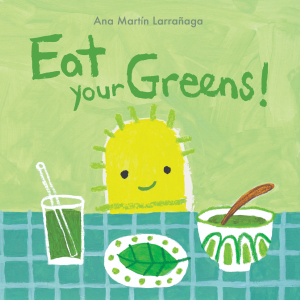
Finding a worm on a salad leaf can be the starting point of an unexpected adventure.
That’s what happened at our dinner table some years ago. One evening, as we sat down to eat, one of our children—like the others, a reliably picky eater—noticed a small green worm resting on a leaf of lettuce. The reaction was immediate: disgust, drama, indignation, and of course, an absolute loss of enthusiasm for the meal.
My husband stepped in with a calm observation. “The worm lives in the lettuce,” he said. “It only eats lettuce. Therefore, it is lettuce.” His reasoning was clear, if not entirely persuasive. No one felt inclined to continue with the salad, but the moment lingered in my head.
Later, I found myself returning to it—not for the disruption it caused, but for the quiet humor and perspective it offered. What began as a minor incident at the table became the starting point for a risky adventure.
In time, that idea grew into “Eat Your Greens!”— they are good for you!
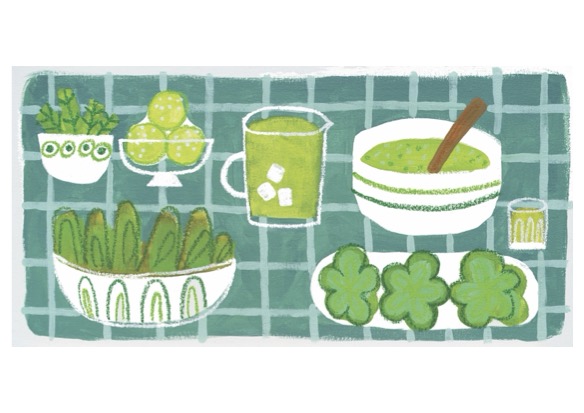
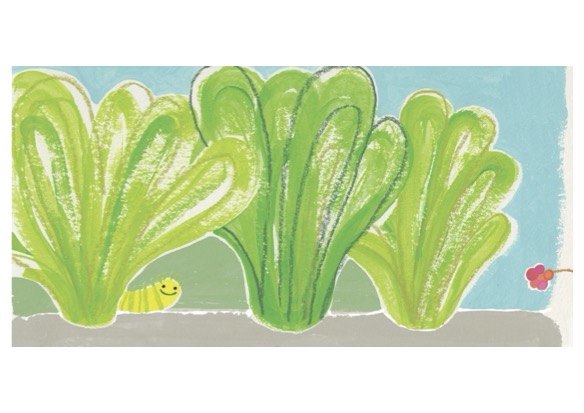
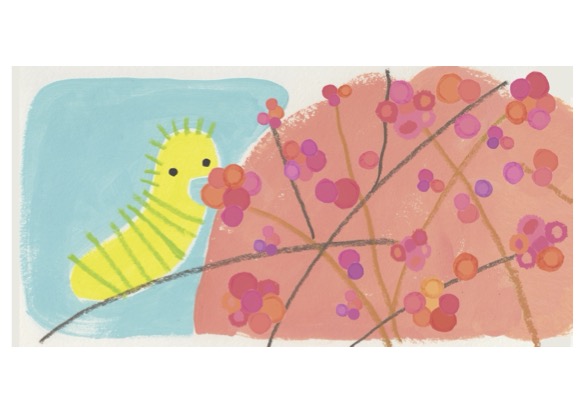
Imagine you are a little worm living inside a crisp lettuce. Life is safe, but terribly dull. Every meal tastes the same: lettuce juice, minced lettuce balls, roasted sprouts, leafy soup, green salad, even lettuce cake. It’s no surprise that one day, Little Green Worm decides he has had enough. Surely, somewhere beyond the vegetable patch, there must be something sweeter.
So off he goes in search of a delicious new possibility.
Unfortunately, he is not the only one looking for a tasty bite.
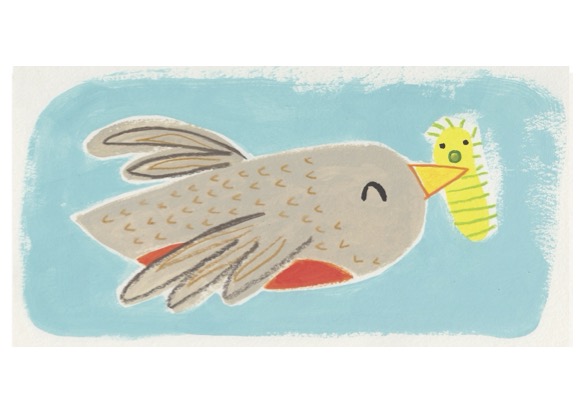
Ms. Robin is also looking for something to bring home and she is absolutely delighted when she spots a plump little green worm wriggling in the open. In a flash, she pick him up, and carries him back to her nest, already imagining dinner.
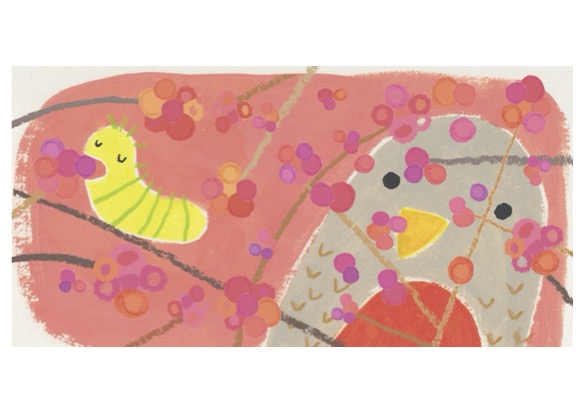
But when Young Robin sees the tiny visitor, instead of a meal, she sees the perfect pet. After all, she has been begging for a pet since… forever. She immediately falls in love with the little worm. She names him Wriggy. She bathes him, feeds him, takes him on a little walk, and even starts training him to fetch sticks.
To Ms. Robin, however, the lovely worm is still dinner.
When Young Robin finally realizes his mother’s plan, a tremendous tantrum erupts—feathers fly, squawks echo, and chaos fills the nest. In all the commotion, the Little Green Worm seizes his chance.
Wriggle, wriggle, wiggle—he escapes as fast as little worm can, all the way back home.
And there, waiting for him, is a perfectly ordinary, wonderfully safe… salad.
I attended the Bologna Children’s Book Fair last year, and for me, the highlight is always the Silent Book Contest exhibition. The work on display is always surprising, playful, and inspiring, and like in previous years, I left with the resolution to create and submit my own silent story.
In the past, my determination would fade quickly. Having an idea is one thing, but turning it into a story that works from beginning to end—using only images—is another. A silent book asks for clarity, rhythm, and careful thought. For an illustrator, is the biggest challenge: telling a story entirely through pictures.
I also realized I missed the freedom of painting by hand. I wanted bold strokes, texture, and the joy of working directly with acrylic paint and wax crayons. I started right away, and within a couple of weeks, the first version of the story was there—but it was far from finished.
Luckily, I have a wonderful group of illustrator friends who helped me see the story with fresh eyes and gave honest, thoughtful feedback. With their support, I refined it until it felt complete.
In the end, the process took a full year. I was over the moon when my story was selected as a finalist in the 2026 Silent Book Contest.
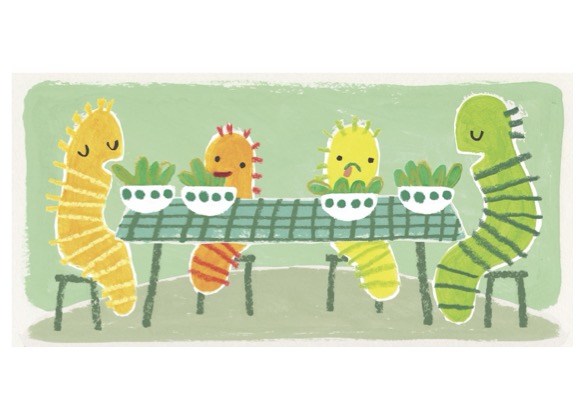

Born in Spain and trained in Fine Arts at the University of Salamanca, Ana Martín Larrañaga discovered her passion for illustration under the mentorship of Asun Balzola. After influential years spent in Edinburgh and New York, she settled in Germany. Today, Ana specializes in creating cheerful, engaging books for toddlers. Working primarily with British and American publishers, her internationally acclaimed work has been translated into numerous languages, including Japanese, Welsh, and Basque.